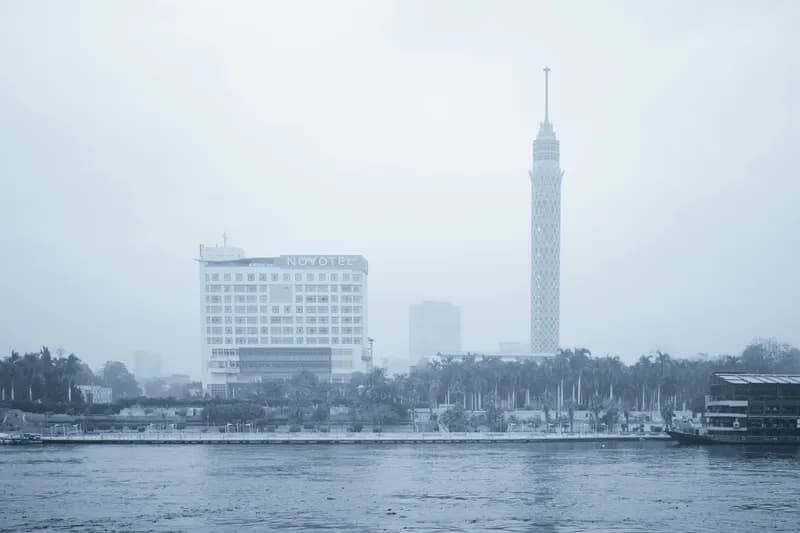
Overview
Cairo is overwhelming in the best and most challenging ways. The city sprawls across the Nile with over 20 million people, creating constant energy, noise, and human density. The Egyptian Museum houses treasures of ancient civilization. Islamic Cairo preserves medieval architecture and bazaars. The Nile provides orientation and recreation. The city is simultaneously ancient (connected to pharaohs and millennia of history) and thoroughly modern (traffic, pollution, contemporary commerce). Those who engage with Cairo genuinely are rewarded with depth, complexity, and connection.
Best Time to Visit
October–April brings ideal weather—warm days (75–85°F), cool nights, minimal rain. May–September is brutally hot (95–110°F) and increasingly humid. Ramadan (dates shift yearly) affects rhythms significantly. Book accommodations well in advance during peak season.
Neighborhoods to Know
Downtown Cairo: The modern business district. Organized compared to other parts but still energetic.
Islamic Cairo: Medieval neighborhood with mosques, bazaars, narrow streets, historic architecture. Dense, atmospheric, genuinely functioning neighborhood market.
Zamalek Island: An upscale residential and cultural neighborhood with museums and a quieter vibe than downtown.
Giza: A neighborhood on the west bank, home to pyramids but also contemporary urban sprawl. Less touristic than Giza Plateau itself.
Maadi: A southern, more residential neighborhood with parks and a quieter atmosphere. Good for escaping intensity.
Food & Drink
Egyptian food culture is simple, flavorful, and deeply traditional. Koshari, ful medames, ta'ameya, kebab, fresh bread, fresh-squeezed sugarcane juice. Molokhia, stuffed vegetables. Egyptian coffee thick and sweet.
Street Level: Street vendors and food stalls sell koshari, ful, ta'ameya, kebab, fresh juice. Markets overflow with prepared traditional dishes at tiny prices.
Mid-Range: Casual restaurants serve Egyptian cooking in relaxed settings. Neighborhood spots offer authentic preparation. Cafés serve excellent coffee and tea.
Elevated: Fine dining in upscale neighborhoods emphasizes both Egyptian heritage and international options.
Getting Around
Cairo is massive and car-dependent. Public transit (buses, metro) exists but is crowded and confusing. Taxis are plentiful and negotiable. App-based rides work but require phones/internet. Walking is possible within neighborhoods but distances are large. Navigation requires patience.
Insider Tips
- 1The Egyptian Museum is extraordinary but can be overwhelming. Hire a guide to maximize understanding and focus on interests.
- 1Islamic Cairo requires time and exploration. Getting deliberately lost in bazaars transforms tourism into understanding.
- 1Nile felucca rides at sunset offer both recreation and city perspective. The water provides respite from urban intensity.
- 1Koshari is cheap, delicious, and ubiquitous. Try it from multiple vendors and understand why it's beloved.
- 1The chaos is real and requires acceptance. Approaching the city with flexibility, humor, and genuine interest transforms frustration into adventure.
### The Velvano Touch
Cairo is not for those seeking order and convenience, but for those willing to engage with genuine urban complexity and human density, it offers unmatched depth and connection to history, culture, and living contemporary life. We craft itineraries balancing famous sites with neighborhoods, markets, and the Nile, connecting you to the city's actual rhythms.
---