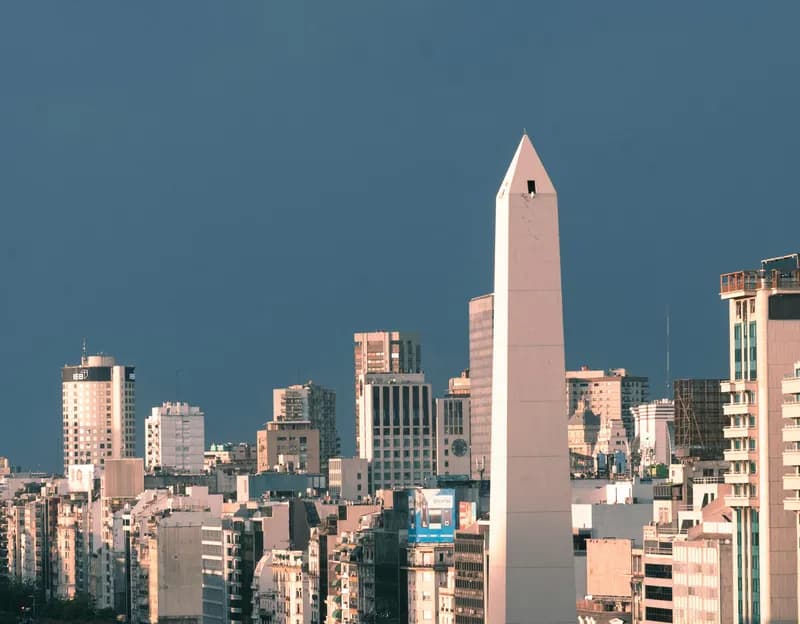
Overview
Buenos Aires doesn't merely exist—it performs. The city breathes with the rhythm of tango, the aroma of grilled beef, and the architectural grandeur of a capital that once rivaled Europe itself. Locals move through neighborhoods as if choreographed, and the city's heartbeat feels distinctly human in a way that's increasingly rare. With art deco buildings standing alongside glass towers, bohemian quarters adjacent to financial districts, and passion embedded in everyday conversations, Buenos Aires seduces through authenticity and unabashed drama. It's a city that rewards both careful planning and happy wandering.
Best Time to Visit
Spring (September–November) and fall (March–May) offer ideal weather—mild temperatures, low rainfall, and that golden light that makes the city's architecture glow. December–February brings summer heat and crowds, but the city's cultural calendar peaks. June–August can be cool and rainy, though the city feels more genuinely local and prices dip. Book tango venues well in advance during high season.
Neighborhoods to Know
San Telmo: The birthplace of tango, where narrow colonial streets lead to hidden patios and bohemian cafés. Cobblestones, vintage shops, and genuine tango performances (not the tourist version) define this atmospheric quarter.
La Boca: Iconic for its Caminito Street and painted buildings, though increasingly touristy. Worth a quick visit for the visual impact, but don't linger—neighboring areas feel more authentically lived.
Recoleta: The refined, monied neighborhood with broad avenues, elegant cafés, and the famous cemetery. Museums cluster here, and it feels almost European in its formality and polish.
Palermo: Sprawling and diverse, with Palermo Hollywood (trendy, restaurant-filled) and Palermo Soho (bohemian, vintage shops, lower-key charm). The neighborhood contains multitudes and rewards wandering.
Almagro: A local favorite with tree-lined streets, bookstores, theatrical history, and a feeling of genuine residential Buenos Aires. It's where porteños actually live and socialize.
Food & Drink
Buenos Aires takes food seriously—perhaps too seriously. Beef is religion here, and the preparation methods are zealously debated. Asado (grilled meat) is the national love language. Empanadas appear everywhere, filled with meat, cheese, or corn. Milanesas (breaded, fried cutlets) satisfy late-night hunger. The pasta culture is surprisingly strong, inherited from Italian immigration waves.
Street Level: Street vendors sell choripán (grilled sausage sandwich) near markets and plazas. Corner bakeries dispense medialunas (croissants) and facturas (pastries) that locals queue for. Ice cream shops (heladerías) are taken seriously—flavors rotate seasonally and are often unexpected.
Mid-Range: Neighborhood parrillas serve grilled meats without fuss, often in casual settings where the focus is purely on beef quality and smoke. Wine programs are genuinely knowledgeable. Cafeterías serve substantial milanesas and salads for lunch; evening atmosphere shifts toward wine and conversation.
Elevated: Fine dining in Recoleta and Palermo Hollywood elevates traditional ingredients into refined presentations. Expect technical execution, heritage wine lists, and service that knows the difference between attentive and intrusive. Modern Argentine cuisine reimagines classics.
Getting Around
Buenos Aires is a walking city—neighborhoods are best explored on foot. The Subte (subway) moves quickly but often feels chaotic during rush hours. Buses are cheap and comprehensive but confusing without explanation. Taxis are plentiful; app-based rides feel safer and more predictable. The city's layout (based on a grid system) makes navigation intuitive. Avoid carrying valuables, and stick to main streets after dark.
Insider Tips
- 1Dinner happens late—restaurants don't fill until 9 or 10 p.m. Eating at 7 p.m. marks you as a tourist. Embrace the schedule and enjoy the extended afternoon.
- 1Tango shows in touristy areas are often mediocre. Seek smaller, neighborhood venues in San Telmo where locals actually perform. Ask locals where they go, not what's in guidebooks.
- 1The Recoleta Cemetery is free and genuinely fascinating—wander the "streets" of the dead, read the plaques, and appreciate the architecture. It's macabre but oddly beautiful.
- 1Weekend markets in Parque Centenario and other plazas offer genuine local goods, not tourist trinkets. Go on Sunday mornings and chat with vendors—they're often the actual artisans.
- 1Learn basic Spanish phrases. Porteños are proud of their language and respond warmly when visitors make the effort, even in imperfect attempts.
### The Velvano Touch
Buenos Aires rewards the traveler who moves beyond tango and beef to understand the city's intellectual and artistic soul. We craft itineraries that balance the iconic (you should see it) with the genuinely lived (where you'll understand the city's rhythm). From evening paseos through tree-lined streets to conversations lingering over coffee, Buenos Aires becomes less about checking boxes and more about feeling the city's particular pulse.
---
## Cancún, Mexico — Your Velvano Guide
Meta Description: Explore Cancún beyond the resort strip: cenotes, ancient Mayan ruins, vibrant Caribbean culture, and authentic local neighborhoods.
### Overview
Cancún exists in layers. The first layer—the resort corridor of white sand and turquoise water—is easy to see and widely experienced. But beneath it lies a city of genuine culture, complex history, and natural wonders that transform a beach destination into something with actual depth. The cenotes (natural sinkholes revealing underground water) connect to the spiritual heart of Mayan civilization. Vibrant neighborhoods like El Centro pulse with local life, markets, and food that never appears in resort dining rooms. Cancún's real gift to travelers isn't the predictable beach perfection, but rather the chance to see Caribbean Mexico beyond the filtered Instagram version.
### Best Time to Visit
November through April offers the best weather—sunny, warm, and dry. December–January brings peak prices and crowds. The hurricane season (June–November) means afternoon storms are possible, but prices drop significantly in the shoulder months (May and September–October), and the landscape turns lush. Book accommodations in advance during high season; last-minute deals rarely materialize here.
### Neighborhoods to Know
Hotel Zone (Zona Hotelera): The strip of mega-resorts, shopping centers, and manicured beaches. Not authentic, but undeniably convenient for water sports and ocean access.
El Centro: The true Cancún where locals live, work, and eat. Markets burst with fresh produce, street vendors sell authentic food, and neighborhoods feel genuinely Mexican rather than internationally themed.
Playa del Carmen: A short drive south, this beach town blends resort infrastructure with bohemian street culture. More walkable and human-scaled than Cancún proper.
Puerto Morelos: Even further south, a fishing village turned low-key beach town. Quiet, walkable, and genuinely charming in a way the bigger cities have lost.
Isla Mujeres: A quick ferry ride offshore, this island maintains a vacation-but-not-resort atmosphere. Smaller scale, more intimate, worth an overnight visit.
### Food & Drink
Cancún's food culture bridges Mayan tradition, Caribbean influence, and modern coastal cooking. Ceviches are revelatory—fresh fish, lime, and minimal interference. Cochinita Pibil (slow-roasted pork) tastes of heritage and technique. Huevos Divorciados (eggs with two different salsas) are breakfast perfection. Fresh seafood practically jumps from the ocean into your plate.
Street Level: Vendors in El Centro sell tacos al pastor (thin-sliced, grilled meat), fresh ceviche cups, fresh fruit with chili powder, and marquesitas (crispy street crepes). Markets offer prepared food at breakfast and lunch that locals eat.
Mid-Range: Casual beachside restaurants serve grilled fish with minimal prep—salt, lime, heat. Neighborhood spots in El Centro offer traditional Mayan and Mexican dishes at genuine prices. Cafés serve excellent coffee and fresh pan de muerto or pastries.
Elevated: Contemporary coastal dining in Playa del Carmen and Puerto Morelos elevates fresh ingredients through technique and presentation. Think deconstructed ceviches, heritage grain preparations, and wine lists that respect the local terroir.
### Experiences by Traveler Type
Couples: Rent scooters and explore the coast south toward Playa del Carmen, stopping at unmarked cenote beaches. Book a private beachside dinner in a quieter town than Cancún proper. Sunrise kayaking through mangroves offers intimate adventure. Sunset walks on Puerto Morelos beach feel appropriately romantic without requiring a resort package.
Solo Travelers: Join a cenote tour group—you'll meet other travelers and learn geology, ecology, and Mayan history. El Centro's markets and street food scene welcome single diners. A day trip to Isla Mujeres by ferry connects you with other travelers while offering solitude on smaller beaches. Photography opportunities abound for solo documentation.
Groups: Organize a group snorkeling trip to multiple cenotes in a single day. Day trips to Tulum ruins followed by beach time create natural rhythm and conversation. A progressive food tour moving through El Centro's best vendors and small restaurants divides the group's energy productively.
Families: Cenotes are genuinely family-friendly—shallow options exist, and kids find the geological formations fascinating. Beach time in Puerto Morelos or Playa del Carmen offers less crowded alternatives to Hotel Zone. Snorkeling trips cater to families with kid-friendly depths and guides experienced with children.
Adventure Seekers: Scuba diving at nearby reefs. Cenote diving for the experienced. Surfing on the Caribbean coast nearby. Zip-lining through jungle canopy. Parasailing and water sports proliferate in the Hotel Zone.
### Getting Around
The Hotel Zone is best navigated by taxi or app-based rides—it's sprawling and car-centric. To experience El Centro, rent a scooter or use local buses (cheap, frequent, chaotic). Colectivos (shared vans) connect nearby towns cheaply. Ferries to Isla Mujeres and Cozumel depart regularly. The road south toward Tulum is spectacular and easily driven or toured. Avoid driving at night.
### Insider Tips
- 1The cenotes are the real treasure here—more interesting than beaches for many travelers. Swim in them, kayak them, dive them. They're geologically and spiritually significant, not just photo ops.
- 1El Centro is where actual Mexico happens. Venture away from the Hotel Zone and eat where locals eat. Markets offer produce, prepared food, and genuine cultural exchange.
- 1Tulum ruins (south of Cancún) are worth the day trip. The combination of ancient architecture and Caribbean backdrop is genuinely striking, and the site feels less crowded than other major Mayan centers.
- 1Ferry to Isla Mujeres for an overnight. It's close enough for a day trip but better appreciated with time. The village feels more authentically Mexican and less resort-driven.
- 1Playa del Carmen is close enough for dinner. It has a more walkable, bohemian vibe than Cancún proper, better restaurant scenes, and less of the party-zone energy.
### The Velvano Touch
Cancún's reputation as a resort destination is earned but limiting. We craft itineraries that honor the beach while uncovering the cenotes, the Mayan echoes, and the vibrant local culture that exists beyond the filtered resort experience. Whether you're floating in underground rivers or tasting authentic street food in El Centro, Cancún reveals depth to those who look beneath the surface.
---