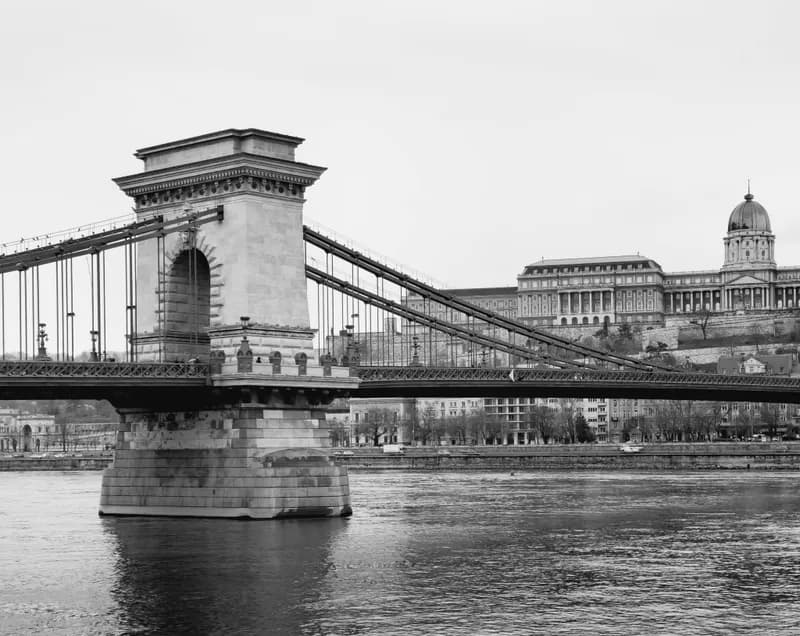
Overview
Budapest straddles two worlds: Buda's hilly, quieter side with its historic character and Pest's flat, energetic side where modern Budapest pulses. The Danube connects them physically and symbolically. The city's architecture—art deco, belle époque, imperial grand—reflects its history as the Austro-Hungarian Empire's lesser capital. But Budapest's true spirit lives in its thermal baths (where locals soak, sip beer, and play chess in steaming waters), its ruin bars (ramshackle venues in abandoned buildings turned social hubs), its café culture (long afternoons with coffee and cake), and its food (hearty, paprika-forward, soul-warming). The pace is slower than Western European capitals; the people are warmer; the aesthetics are more bohemian. Budapest feels like a city being rediscovered, with layers of history visible and contemporary culture emerging simultaneously.
Best Time to Visit
May and September are ideal—warm weather, manageable crowds, perfect light. April and October work well for those seeking quieter exploration. Summer is warm and busy; winter is cold and atmospheric but many outdoor attractions close.
Neighborhoods to Know
Buda Castle District Perched on a hill, this historic neighborhood contains the castle, medieval streets, and formal gardens. It's touristy but also genuinely remarkable; early morning or late evening visits minimize crowds while maintaining magic. The views over the Danube and Pest are stunning.
Lipótváros (Inner Pest) The commercial and cultural heart of Pest, Lipótváros contains major shops, restaurants, and cafés. It feels cosmopolitan and bustling; this is where tourists and business travelers congregate. The Parliament building is nearby, a magnificent sight whether you enter or simply admire from outside.
Erzsébetváros (Jewish Quarter) This neighborhood, historically the Jewish quarter, experienced tragedy but survives as a vital community. It's now known for street art, ruin bars, contemporary galleries, and a young creative energy. The synagogue is substantial and moving; the streets pulse with contemporary Budapest culture.
Ruin Bars and Nightlife (Various) Scattered throughout the city, especially in Erzsébetváros and Kazinczy Street, these abandoned buildings have been converted into social spaces. They're authentic, social, and represent Budapest's unconventional spirit—communal spaces with beer, music, and conversation.
Margaret Island A green island in the Danube, Margaret Island offers escape from the urban intensity. Parks, trails, thermal pools, and quieter gathering spaces define it. Locals come here to jog, cycle, relax; it's where the city pauses.
Óbuda The oldest part of Budapest, Óbuda is less touristy than Buda or Pest proper, with Roman ruins, Jewish history, and a neighborhood feel. It's worth visiting for its authenticity and the escape from central crowds.
Food & Drink
Hungarian cuisine is warm and flavorful: goulash, chicken paprikash, pörkölt (meat stew), cheese, bread. Paprika is essential—it's not just a spice but an ingredient defining national identity. Thermal baths are social; you'll drink beer in the steaming water at the Széchenyi Baths. Pálinka (fruit brandy) and Hungarian wine complete the experience. Street food includes lángos (fried bread); mid-range restaurants serve traditional dishes in casual settings; elevated dining presents Hungarian cuisine with contemporary technique. Coffee and cake culture is paramount; spend afternoons in cafés with elaborate pastries and strong coffee.
Getting Around
Public transportation (metro, trams, buses) is efficient and cheap. A transport card works across all modes. Bikes are excellent for Margaret Island and riverside paths. Walking connects some neighborhoods but the Danube separates Buda and Pest; you'll need transport to cross. Boats run along the Danube. The city is compact enough to navigate with strategy.
Insider Tips
- 1Thermal baths are about the experience, not just swimming. Go early or late, spend 2-3 hours soaking in different pools at different temperatures, play chess with regulars, drink beer in the warm water. That's the culture.
- 1Ruin bars are authentic—for now. As gentrification continues, they change. Visit them not as novelty but as genuine community spaces. Go for drinks, meet locals, understand the spirit.
- 1Walk the Jewish Quarter methodically. The neighborhood has deep history and contemporary revival. Spend time understanding both the historical tragedy and the current vibrant community.
- 1Danubian views are better from Buda looking at Pest. Both sides offer views, but the iconic vista—Parliament and the Chain Bridge—is best from Buda's hills.
- 1Margaret Island at dawn is magical. Few tourists, cool temperatures, soft light, and a rhythm of locals jogging and walking. It's Budapest's secret garden.
### The Velvano Touch
Budapest rewards the contemplative traveler who wants to understand a city beyond its sights. The thermal baths, the café culture, the ruin bars, the Danube—these are the threads that weave Budapest into your memory. We'll craft your days around authentic experiences: soaking and socializing, wandering neighborhoods, understanding the city's complex history and vibrant present, moving at Budapest's particular rhythm.
---