Overview
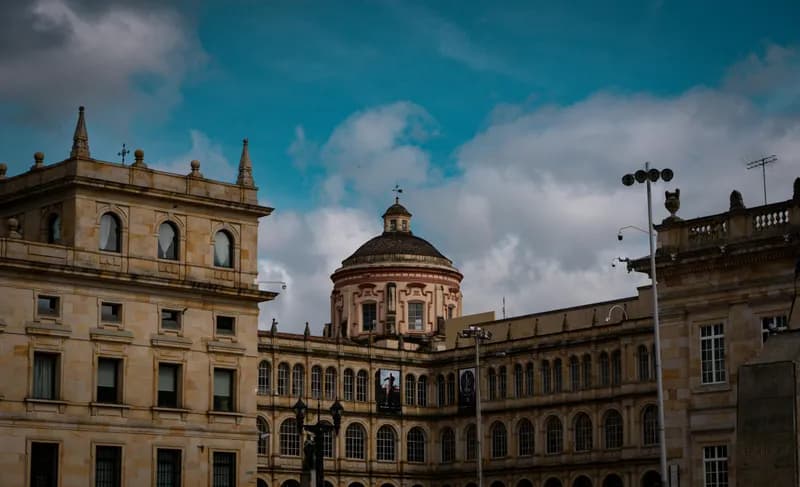
Bogotá rewards the traveler willing to move beyond first impressions. Perched high in the Andes at nearly 8,700 feet, Colombia's capital pulses with intellectual energy and creative momentum. The city's renaissance over the past two decades has transformed it into a destination known for cutting-edge art galleries, passionate food culture, and neighborhoods that feel like distinct villages stacked on a mountainside. Whether you're wandering the cobblestone streets of La Candelaria or catching live music in Usaquén, Bogotá feels like a city genuinely rediscovering itself—and travelers are invited to witness it.
Best Time to Visit
Bogotá sits near the equator, so seasons matter less than rainfall patterns. The driest months (December–January and July–August) offer the most reliable weather for exploring. July and August also bring the International Book Fair and numerous cultural festivals. October and November bring lush green landscapes and fewer crowds, though afternoon showers are common.
Neighborhoods to Know
La Candelaria: The historic heart where colonial architecture meets bohemian energy. Narrow streets wind past street art, small galleries, and the iconic Gold Museum. Expect steep climbs and atmospheric plazas.
Usaquén: Once a separate village, now Bogotá's most charming neighborhood. Sunday crafts markets, independent cafés, and a palpable creative spirit make it feel refreshingly walkable and authentically lived-in.
Zona Rosa: The modern business and entertainment quarter with high-rise hotels, contemporary restaurants, and galleries that push boundaries. Less atmospheric than older neighborhoods but essential for understanding contemporary Bogotá.
Chapinero: A creative enclave of vintage shops, alternative galleries, and the kind of cafés where locals linger for hours. It has a slightly bohemian edge without feeling contrived.
Teusaquillo: Residential and often overlooked, this leafy neighborhood offers parks, local markets, and a genuine sense of how Bogotanos live beyond tourist circuits.
Food & Drink
Bogotá's food culture reflects its mountain location and cultural crossroads identity. Ajiaco, a hearty potato soup with chicken and avocado, tastes of home here. Bandeja Paisa-style influences appear in heavier preparations, while coastal ceviche traditions drift in from the coasts. Fresh fruit juices—lulo, guanabana, mora—are revelatory, and the coffee, of course, is extraordinary.
Street Level: Corner vendors sell arepas filled with cheese and chorizo, empanadas with potato and meat, and fresh patacones (fried plantains). Markets burst with tropical fruits you've never heard of. Coffee from family-roasters tastes like terroir captured in a cup.
Mid-Range: Modern bistros in Usaquén and Chapinero blend traditional Colombian ingredients with contemporary techniques. Expect grilled meats, fresh fish preparations, and creative takes on classics like ropa vieja. Local breweries have emerged as gathering spots with food that takes itself seriously without pretension.
Elevated: Fine-dining establishments in Zona Rosa draw on heritage ingredients and refined plating. Think elevated takes on traditional soups, heritage grains, and sustainable sourcing that connects to specific regions and farmers.
Getting Around
Bogotá's elevated position (8,660 feet) means taking the first day easy. The TransMilenio bus system is efficient but crowded during rush hours—better for learning the city than relying on it entirely. Taxis are plentiful and negotiable on price; app-based rides work well for comfort. Neighborhoods worth visiting are walkable within themselves, but distances between neighborhoods reward app-rides or short taxi hops. Avoid traveling alone at night outside main tourist areas.
Insider Tips
- 1Visit the Gold Museum early (doors open at 10 a.m.) to experience it before school groups arrive. The sheer quantity of pre-Columbian artifacts is overwhelming in the best way.
- 1Sundays in Usaquén are a pilgrimage—the market, street performers, and neighborhood energy peak. But arrive early (9 a.m.) to beat the crowds and find the best local vendors.
- 1Cafés here are destinations, not pit stops. Order a small coffee, settle in, and watch the neighborhood. Locals spend two hours over a single cup without a hint of pressure.
- 1Street food safety is genuinely good at busy vendors in Usaquén and markets—high turnover means everything is fresh. Stick to busy spots and you'll be fine.
- 1Book galleries and museums in advance if visiting during the International Book Fair (late July) or major festivals. The city swells with tourists, and reservations prevent disappointment.
### The Velvano Touch
Bogotá has been described and redescribed by guidebooks, but the real city—the one that reveals itself to travelers willing to slow down—exists in Sunday markets and late-night conversations in cafés. We craft itineraries that move beyond the canonical sights to neighborhoods where you'll feel the city's genuine creative pulse. Whether you're standing in front of a pre-Columbian artifact or ordering your fifth juice of the day, Bogotá rewards the curious mind.
---