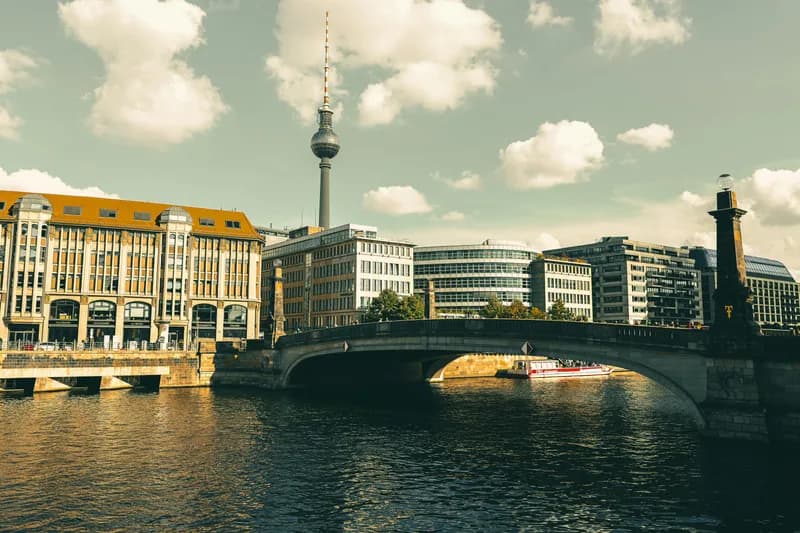
Overview
Berlin is a city of constant reinvention. The scars of history are visible: the reconstructed Reichstag, the remaining Wall, the empty spaces where buildings once stood. Yet the city refuses to be defined by loss—instead, it channels that energy into contemporary culture. Street art covers entire blocks; independent galleries operate from converted warehouses; techno clubs pulse until dawn. The neighborhoods each have distinct character: bohemian Kreuzberg with its political edge, artsy Friedrichshain with its graffiti culture, chic Charlottenburg with royal palaces, working-class Neuköllern with its immigrant communities. Berlin moves to its own rhythm, slightly slower than other major capitals, deliberately unconcerned with fitting expectations. The beer is cheap, the conversation philosophical, the creative energy undeniable.
Best Time to Visit
May through June and September through October offer warm weather without summer's heat. The light during these months is exceptional. Winter in Berlin has a moody beauty—fewer tourists, clearer light for photography, a contemplative energy. Avoid July and August when heat peaks and tourists crowd.
Neighborhoods to Know
Kreuzberg Kreuzberg epitomizes Berlin's counterculture and creative spirit. The neighborhood wears its left-wing politics openly through street art and graffiti; it's gritty, young, alternative, with galleries, record shops, and bars that cater to creative types. It's authentically bohemian—not packaged, not nostalgic, but genuinely living that ethos.
Friedrichshain The East Side Gallery—a long stretch of the Berlin Wall covered in murals—anchors this neighborhood. Beyond that iconic site, Friedrichshain is vibrant and young, with street art as ambient culture, clubs, galleries, and a sense of ongoing creative evolution. It feels more contemporary than historically burdened.
Charlottenburg Here, Berlin becomes palatial. The Charlottenburg Palace, tree-lined avenues, and grand 19th-century architecture define this western neighborhood. It's upscale, refined, and less intensely "Berlin" but offers breathing room and a different perspective on the city.
Neuköllern Neuköllern is where Berlin's immigrant communities create vibrant, multicultural neighborhoods. Turkish, Arab, Vietnamese, and other communities build parallel food cultures, markets, and street life. It's authentic, sometimes rough around the edges, and essential for understanding contemporary Berlin.
Mitte The central district mixes grand historic sites (Brandenburg Gate, Reichstag, Museum Island) with galleries, boutiques, and restaurants. It's Berlin's most touristy neighborhood but also genuinely important—the geographic and cultural center.
Food & Drink
German food is hearty: schnitzel, sausages, pork, potatoes, bread, beer. Berlin, though, is more about international diversity and contemporary food culture than traditional German cuisine. The city's restaurant scene is globally influenced, with excellent Vietnamese, Turkish, Italian, and Japanese food alongside German classics. Street food includes döner kebab (Turkish sandwiches), currywurst (sausage with curry sauce), and pretzels. Beer culture is social—you'll drink it in beer gardens, casual bars, and clubs. Coffee culture is important; Berlin's cafés are places to spend hours.
Getting Around
Berlin's public transportation (U-Bahn, S-Bahn, buses, trams) is extensive and efficient. A day ticket covers unlimited travel. Bicycles are essential Berlin culture—rent one and join the flow. Walking is feasible for some neighborhoods but distances grow; most exploration involves transit and bikes. Taxis are reasonable.
Insider Tips
- 1Avoid the major museums during peak hours. Book tickets online for skip-the-line access. Alternatively, go early in the morning or late afternoon. The permanent collections are world-class but the crowds can overwhelm.
- 1The best street art is constantly changing. Instagram and guidebooks capture old work; the current scene is visible by just walking around, especially Kreuzberg and Friedrichshain. Embrace discovery.
- 1Beer gardens are social infrastructure, not tourist attractions. Go to Prater Garten or local spots, grab a beer, sit for hours, observe the rhythm. It's where Berliners actually spend time.
- 1Take a day trip to Potsdam. The palaces are extraordinary, the parks magnificent, and it's an easy train ride. See another layer of Prussian history beyond Berlin proper.
- 1Ask locals for current recommendations. Berlin changes rapidly; the cool neighborhood or bar from two years ago might have shifted. Asking for current recommendations is how you find what's actually happening now.
### The Velvano Touch
Berlin is a city that rewards curiosity and wandering. The history is important but not overwhelming; the contemporary culture is vibrant and engaging; the neighborhoods are genuinely distinct. We'll craft an itinerary that moves through different Berlin experiences—historical awareness balanced with contemporary culture, famous sites balanced with neighborhood exploration, planned moments balanced with discovery.
---