Overview
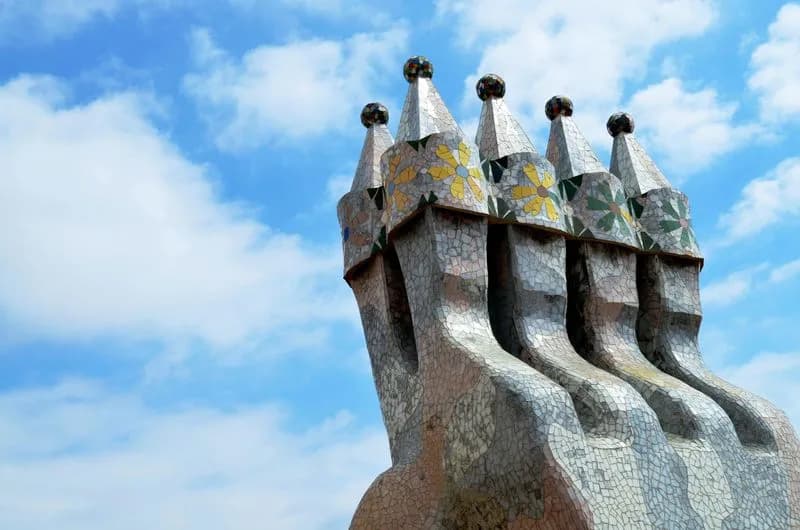
Barcelona vibrates with creative energy unlike anywhere else in Europe. The city's visual signature—Gaudí's sinuous modernist buildings—sets the tone for a place that refuses convention. Walk the Gothic Quarter's medieval alleyways and you're in the Middle Ages; turn a corner onto Passeig de Gràcia and you're in an architect's fever dream of undulating stone and organic forms. The energy is young, progressive, multilingual, and assertively Catalan. The beaches invite relaxation; the neighborhoods invite exploration; the food is simple and sophisticated. There's an ease to Barcelona—a sense that life happens in the streets, in plazas, in casual gatherings—that makes the city feel both cosmopolitan and human-scaled.
Best Time to Visit
May and September-October offer ideal conditions: warm Mediterranean weather, lower tourist density than summer, and less rain than other seasons. The light at these times is perfect. Spring brings energy and color; fall brings a contemplative quality as summer crowds dissolve.
Neighborhoods to Know
Gothic Quarter (Barri Gòtic) The medieval heart of Barcelona, where narrow streets form a labyrinth and Gothic architecture looms above. It's atmospheric and touristy simultaneously—the magic is real, but so are the crowds. Venture off main streets into residential alleyways to find the neighborhood's quieter essence.
El Born Adjacent to the Gothic Quarter, El Born is hipper, younger, and less medieval—more Renaissance and early modern architecture, mixed with contemporary boutiques, galleries, and restaurants. It retains an artisan energy; you'll find independent designers and craftspeople alongside upscale establishments.
Gràcia Gràcia feels like a separate village swallowed by the expanding city. With small plazas, narrow streets, and a strong community identity, it's where Barcelona residents gather for coffee and conversation rather than tourists explore. It's closer to authentic local life than almost anywhere else in the central city.
Montjuïc This hillside area offers museums, gardens, views, and a slightly separated feeling from the city proper. The pace is gentler, the crowds thinner. It's a good place to escape the intensity of central neighborhoods while remaining accessible.
Sarrià This upper neighborhood has a village feel with tree-lined streets, local markets, and a residential peace. It's further from tourist infrastructure but offers authentic Barcelona living.
Food & Drink
Catalan cuisine emphasizes simple ingredients prepared with respect: grilled vegetables, seafood, beans, bread rubbed with tomato, olive oil, wine. Tapas culture is essential—ordering multiple small plates and sharing is the social norm. Vermouth is the pre-dinner drink of choice, served with snacks. Calcots (grilled spring onions) in season are a delicacy. Cava (sparkling wine) celebrates everything. Street food includes bocadillos (sandwiches) and jamón (cured ham); mid-range restaurants serve traditional Catalan dishes in casual settings; elevated establishments present these flavors with technique and presentation. Seafood, especially from nearby Mediterranean waters, is exceptional.
Getting Around
Barcelona's metro is efficient and extensive, the best way to move between neighborhoods. Buses are reliable. Bicycles work well for beach trips and longer neighborhood exploration. Taxis are reasonable. Walking is viable in central areas but distances grow. Trains connect to surrounding areas and regions.
Insider Tips
- 1Skip Sagrada Familia or book it with a specific time. It's extraordinary, but the lines are biblical and the experience of waiting can diminish the actual wonder. Book online or consider if another modernist building speaks to you more efficiently.
- 1Gràcia is where locals actually are. The neighborhood feels like a village; spend time in its plazas watching the rhythm of neighborhood life. Grab coffee, sit, observe.
- 1Park Güell is also crowded. Go early (first entry time) or book a sunset slot when heat and crowds thin. The park is remarkable, but experiencing it requires strategy.
- 1The beach is real, not a resort. Barcelona's beach culture is active and local—you'll see Spanish families swimming, playing paddle ball, eating chiringuitos (beach bars). Join in rather than observing from a lounger.
- 1Vermouth at noon is cultural. Stop at a bar for vermouth and snacks at midday like locals do. It's a moment of pause and social gathering, not excessive drinking.
### The Velvano Touch
Barcelona rewards those who move beyond the icons into the neighborhoods, the side streets, the local plazas. The city's true magic isn't in architecture alone—it's in the energy, the community, the sense of a place that's constantly creating something new. We'll craft an itinerary that includes the undeniable landmarks but focuses on neighborhoods and experiences that make Barcelona feel like a city you're actually living in, not just passing through.
---