Overview
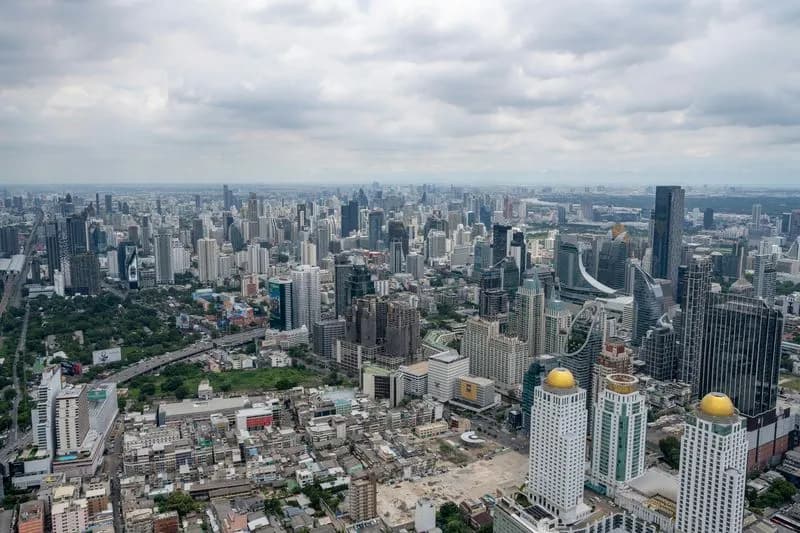
Bangkok is sensory overload in the best possible way—chaos that somehow works, tradition coexisting with neon, ancient temples next to shopping malls. The city moves at a different speed than you might expect: it can feel frantically paced, but locals navigate it with a placid acceptance called "jai yen" (cool heart). The Chao Phraya River threads through everything, a living highway of longtail boats, barges, and ferries. The food here is perhaps Thailand's greatest export: streets perfumed with grilling meat and lime, stalls where vendors have been making the same five dishes for decades, night markets where everything is extraordinary and costs almost nothing. Temples dot the landscape—gilded, intricate, spaces of genuine reverence among the noise. Bangkok rewards curiosity; the longer you stay, the more it reveals. First-timers often find it overwhelming; return visitors find it addictive.
Best Time to Visit
November to February brings cool, dry weather and the city at its most comfortable—expect crowds and higher prices. March to May is hot and humid but shoulder season with fewer tourists. The rainy season (May-October) brings afternoon downpours and slightly lower prices; mornings are often clear. Avoid the most intense heat of April-May if you have the flexibility.
Neighborhoods to Know
Old City (Ratanakosin): The spiritual and historical heart, where the Grand Palace, Wat Pho, and Wat Saket anchor centuries of Thai culture. These temples are stunning but crowded; go early or arrive near closing for fewer visitors. The warren of streets around them holds family shrines, small shops, and the rhythm of actual Bangkok life.
Chinatown (Yaowarat): A sensory explosion of gold shops, Chinese shrines, narrow sois (alleys), and some of Bangkok's most authentic food stalls. It's tightly packed, often hot, occasionally overwhelming—and utterly magnetic. The main street is touristy; the alleys are where locals eat and shop.
Silom & Lumphini: Bangkok's business district adjacent to a quieter green space (Lumphini Park), where morning tai chi practitioners move like water and monitor lizards sun themselves. Silom has night markets, local restaurants, and a less polished feel than the riverside luxury zones.
Thonglor & Ekkamai: Upscale residential neighborhoods with excellent mid-range restaurants, small galleries, and cafes. Less touristy than the Old City but still offering plenty to discover. Popular with digital nomads and travelers seeking neighborhood immersion without chaos.
Riverside (Taksin, Saphan Taksin): The Chao Phraya's west bank, featuring the Grand Palace views, upscale hotels, and river transport. Beautiful at sunset, slightly sterile during the day; best visited for specific purposes (dining on the river, temple access) rather than extended wandering.
Food & Drink
Thai cuisine balances four fundamental flavors—spicy, sour, sweet, salty—in perfect tension. Bangkok is where to taste this at its most refined.
Street Food: Pad Thai (stir-fried noodles with tamarind and shrimp), som tam (green papaya salad, fiercely spicy), grilled chicken skewers (gai yang), mango sticky rice, fresh sugar cane juice, and khao man gai (poached chicken over rice). The best places are hole-in-wall stalls run by families who've perfected one or two dishes. Eating standing at a plastic stool, watching the vendor work, is the authentic Bangkok experience.
Mid-Range Dining: Family-run restaurants serving khao rad (rice with toppings), curries, and regional specialties. Many don't have English menus; pointing works fine. These spaces serve actual Bangkok residents, not tourists.
Elevated Dining: Thai restaurants by acclaimed chefs who respect tradition while exploring refinement. You'll taste familiar flavors elevated through technique, sourcing, and presentation—but still fundamentally Thai.
Experiences by Traveler Type
Every traveler is different. Explore what Bangkok has to offer based on how you like to travel.
Experiences by Traveler Type
- Private longtail boat tour departing at dawn, navigating quiet canals (khlongs) where you'll see stilt houses, floating gardens, and water-based life before crowds arrive
- Couples Thai massage class, learning techniques you can practice on each other later, followed by dinner at a riverside restaurant where you watch the city lights reflect off water
- Evening stroll through Lumphini Park at sunset, then dinner in nearby Silom at a restaurant known for khao rad and local beers
- Private cooking class in a cooking school or local home, followed by a night market walk to taste the dishes you've created alongside street versions
Getting Around
The BTS Skytrain and MRT subway are clean, efficient, and cover major areas; a single card (Rabbit Card) works on both. Motorbikes are everywhere; renting requires an international license but enforcement is light. Taxis via Grab or Gojek are reliable and cheap. The Chao Phraya Express boats are themselves an experience—you're traveling alongside commuters, locals, tourists, and the rhythm of the river. Traffic is intense; give yourself extra time for any appointment.
Insider Tips
- 1The best street food is where locals eat, not where tourists gather. If you see construction workers and office staff at a stall, you've found it. Early morning (6-9 AM) and early evening (5-7 PM) are peak local eating times.
- 1Temples require respect. Remove shoes, cover shoulders and knees, don't point at Buddha images, and avoid stepping over monks. Do this and you'll be welcomed; ignore it and you'll feel the shift in how locals respond.
- 1Markets change by time. Floating markets are morning phenomena; night markets peak at 7-10 PM. Visiting at off-times gives you a different (often better) experience.
- 1Motorbike taxis (motorcycle taxis, called "motorcycle taxis") are cheap, fast, and safe if you read traffic. They're how locals move through congestion. Grab has a motorcycle option that shows the driver's rating.
- 1English isn't assumed here like it is in tourist hubs. Learning a few Thai phrases—"khob khun krap" (thank you), "aroy" (delicious), "phet nit noi" (a little spicy)—opens interactions in ways pointing alone won't.
---