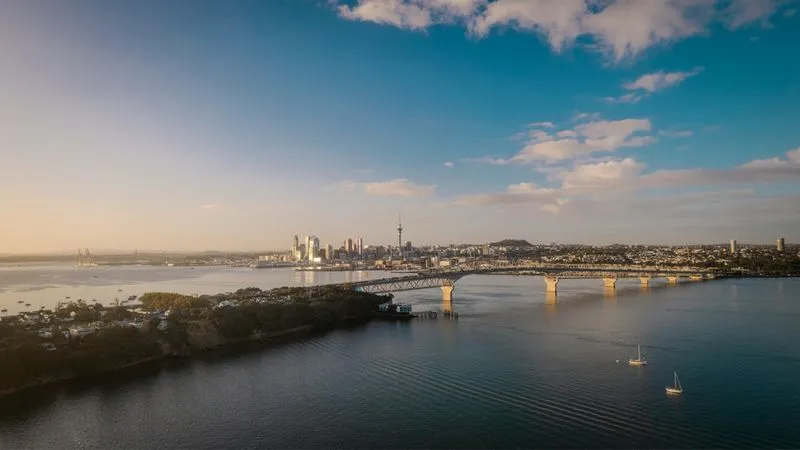
Overview
Auckland is a harbor city with the feeling of a much smaller place than its population suggests. The city sits on an isthmus between two harbors with water providing constant perspective and recreation. Neighborhoods are distinct enough to feel like villages: Mount Eden offers views and residential character, Devonport is quaint and historic, Grey Lynn is bohemian and artistic, Ponsonby is upscale and contemporary. The city is organized, walkable, and genuinely appealing for extended stays. The museums and cultural institutions are excellent. The food culture is sophisticated and multicultural. The surrounding landscape is accessible via day trips. The city feels distinctly Pacific.
Best Time to Visit
December–February brings summer weather (70–75°F), warm water, and outdoor festivals. March–May (autumn) and September–November (spring) bring ideal weather—mild temperatures (60–70°F), low rainfall. June–August (winter) is cool (50–60°F) and rainy. The city operates year-round. Book accommodations in advance.
Neighborhoods to Know
Ponsonby: An upscale, trendy neighborhood with excellent restaurants, boutique shopping, vibrant nightlife. Safe and walkable.
Grey Lynn: A bohemian neighborhood with galleries, vintage shops, cafés, and younger creatives. More laid-back.
Mount Eden: A residential neighborhood with views from the volcanic cone, parks, quieter vibe. Good base for exploration.
Devonport: A historic waterfront neighborhood with Victorian architecture, galleries, village-like atmosphere. Quieter and more atmospheric.
Downtown/Waterfront: The modern CBD. Contemporary but less atmospheric.
Food & Drink
Auckland's food culture is sophisticated and multicultural. Fresh seafood: snapper, mussels, crayfish. Maori kai, Pacific Islander cuisines, Asian influences. New Zealand wine and craft beer. Iconic foods: meat pies, fish and chips, Anzac biscuits.
Street Level: Food vendors sell meat pies, fish and chips, Asian street food. Markets offer prepared dishes and fresh produce.
Mid-Range: Casual restaurants serve New Zealand cuisine, seafood, international options. Cafés serve excellent coffee. Food courts offer diverse options.
Elevated: Fine dining emphasizes local ingredients (seafood, grass-fed meats), technical precision, and wine pairings. Contemporary New Zealand cuisine reimagines traditions.
Getting Around
Auckland sprawls but is increasingly walkable within neighborhoods. The public transport (buses, trains) is improving. Walking is safe and pleasant. Taxis and app-based rides work well. Renting a car is common for day trips. The city is organized.
Insider Tips
- 1Ponsonby and Grey Lynn are the vibrant hearts of contemporary Auckland. Walk, eat, drink, explore galleries. The city's energy concentrates here.
- 1Mount Eden's cone offers views and perspective. The climb is short; the views reward the effort.
- 1Devonport's historic village feel offers quieter atmosphere. The ferry ride adds to the charm.
- 1The harbors are central to Auckland's identity and recreation. Harbor walks, boat trips, and water time reveal the city's character.
- 1Auckland is often treated as a stopover to Queenstown or Milford Sound. Spending 3–5 days exploring neighborhoods, museums, and surrounding areas rewards deeper engagement.
### The Velvano Touch
Auckland is a harbor city with neighborhood character, excellent food culture, and genuine Pacific influences. We craft itineraries moving beyond iconic sights to neighborhoods, museums, and the city's actual contemporary culture.
---
## Fiji — Your Velvano Guide
Meta Description: Explore Fiji's islands, coral reefs, tropical beaches, indigenous culture, and Pacific island life in this multiethnic nation.
### Overview
Fiji is a collection of islands with coral reefs, tropical vegetation, and white sand beaches. Viti Levu and Vanua Levu are the largest, most developed, and most accessible. The smaller islands offer varying levels of development from resorts to traditional villages. The culture reflects indigenous Fijian traditions, Indo-Fijian communities, and colonial history. The pace is slow and deliberate—rushing contradicts island time. The food culture is simple, based on coconut, fish, and tropical fruits. Fiji is relatively expensive for a Pacific destination but offers genuine island experiences at various price points.
### Best Time to Visit
May–October brings ideal weather—warm days (75–85°F), lower humidity, less rainfall. November–April is summer (hot, humid, cyclone season risk). Coral spawning events (specific weeks in October–November) are spectacular for divers. The islands operate year-round. Book accommodations in advance during peak season.
### Islands and Regions to Know
Nadi and surroundings: The main gateway with the airport, developed resorts, tourist infrastructure. Starting point for island exploration.
Denarau Island: A resort island with water sports, spas, upscale dining. Touristy but convenient.
Coral Coast: A developed coastal area with resorts and tourist activities. More touristy than some island areas.
Islands offshore: Smaller islands accessible via boat, offering varying levels of development from luxury resorts to traditional villages.
Vanua Levu: The second-largest island, less developed, offering more authentic village experiences.
### Food & Drink
Fijian food culture is simple and based on island ingredients. Kokoda, lovo, cassava, sweet potato, taro, fresh fish, tropical fruits. Coconut cream in many dishes. Kava, Fiji bitter beer.
Street Level: Casual vendors and food carts sell grilled fish, cassava, tropical fruits. Markets offer prepared traditional dishes.
Mid-Range: Casual restaurants serve Fijian cooking. Resort restaurants cater to tourists with local and international options.
Elevated: Resort fine dining emphasizes fresh seafood, island ingredients, and refined presentation.
### Experiences by Traveler Type
Couples: Beach time and water recreation combined with evening dining. A boat trip to smaller islands for snorkeling and swimming. A spa experience at a resort. A sunset cruise.
Solo Travelers: The islands are social—conversations happen naturally at resorts and on boats. Joining group boat trips connects you with other travelers. Beaches offer both activity and reflection.
Groups: A multi-island hopping adventure. Group snorkeling trips to reefs. A boat party or sunset cruise. Beach days with activity options.
Families: Beaches are family-friendly with calm water and safe swimming. Resorts cater extensively to families. The slow pace suits family rhythms. Water sports available.
Adventure Seekers: Diving in coral reefs (some of the world's best). Snorkeling with manta rays and tropical fish. Hiking on less-developed islands. Fishing. Village stays offering cultural immersion.
### Getting Around
Fiji islands are connected via boats and small planes. Nadi is the main hub. Transportation between islands requires booking with local operators. Within islands, walking and occasional taxis/rides provide access. Island development varies. Navigation is informal.
### Insider Tips
- 1Island time is real—adjust expectations for pace and schedules. Flexibility makes experiences infinitely better.
- 1The reefs are world-class. Snorkeling and diving experiences are genuinely spectacular. Even non-divers should experience underwater beauty.
- 1Respect Fijian culture and kava ceremonies. These are genuine traditions, not performances. Proper protocols enhance experiences.
- 1Smaller, less-developed islands offer more authentic experiences than resort islands. Village stays and simpler accommodations provide different perspectives.
- 1The multicultural character (indigenous Fijians, Indo-Fijians, others) is part of the islands' identity. Understanding and respecting this complexity enriches engagement.
### The Velvano Touch
Fiji is island beauty and cultural engagement combined. We craft itineraries balancing beach relaxation with snorkeling, reef exploration, cultural immersion, and the genuine island pace that defines Pacific island life.
---