Overview
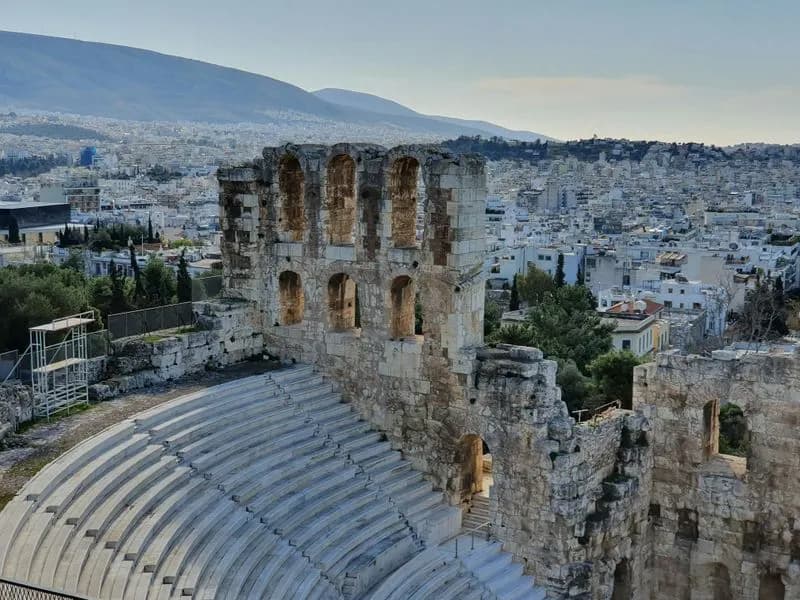
Athens is a city of dramatic contrasts—ancient ruins rising between modern apartment buildings, quiet neighborhoods steps from bustling plazas, philosophical traditions existing alongside contemporary youth culture. Walking these streets, you're constantly aware of the layers: you're standing on paths walked by Socrates, in neighborhoods built during the Ottoman occupation, alongside street art from last week. The light here is particular—sharp, clear, brilliant—the light of the Mediterranean at its most intense. The city moves with an intense energy: passionate conversations in cafés, spirited debates, street vendors calling their wares, the smell of souvlaki and oregano in the air. Athens isn't polished; it's genuine, living, sometimes chaotic, always captivating.
Best Time to Visit
October through November and April through May offer perfect weather without the intense heat and crowds of summer. The light is exceptional, and the temperature—warm but not scorching—invites exploration. Winter brings cooler temperatures and occasional rain but solitude and authentic local life. Avoid July and August when temperatures soar and tourism peaks.
Neighborhoods to Know
Plaka Plaka sits directly beneath the Acropolis, a tangle of narrow streets, neoclassical buildings, and tavernas. It's the most tourist-centric neighborhood, yet it retains character if you venture beyond the main drags. Quiet residential streets reveal local life; the energy shifts dramatically when you're one street removed from the crowds.
Psyrri Psyrri emerged from neglect in the last two decades into a neighborhood known for street art, independent galleries, vintage shops, and a young, creative energy. It's gritty in the best way—authentic, still changing, full of character. Restaurants here feel discovered rather than packaged for tourists.
Exarcheia This university neighborhood pulses with intellectual and political energy. Bookshops, informal galleries, counter-culture cafés, and streets marked with political graffiti define it. It's where you'll find authentic left-wing political discourse, student culture, and genuine bohemia—not the packaged version.
Kolonaki Kolonaki is Athens' most elegant neighborhood, with tree-lined streets, upscale boutiques, galleries, and expensive restaurants. It's where Athens' cultural elite lives and gathers. Walking here, you're observing contemporary Athens wealth and taste.
Gazi The old gasworks district has transformed into an arts and nightlife hub. Galleries occupy former industrial spaces, restaurants gather in converted warehouses, and the neighborhood feels like genuine contemporary culture rather than tourism infrastructure.
Food & Drink
Greek food is ingredient-focused: tomatoes, olive oil, feta, oregano, lemon, and fresh seafood are elevated through simplicity rather than technique. You'll eat horta (boiled greens), Greek salads, grilled fish, lamb, moussaka, and pastries soaked in honey and nuts. The café culture is paramount—coffee is sipped slowly, ouzo (anise liqueur) is social, and meals are social events. Street food means gyros and souvlaki; mid-range restaurants serve the same dishes on proper plates; elevated dining presents these flavors with refinement and wine pairings. Feta cheese, olives, and olive oil from different regions each tell different stories about Greek terroir.
Getting Around
The metro system is efficient and connects neighborhoods well. Buses are cheap and extensive but require more patience. Taxis are reasonable and readily available. Walking is feasible for some neighborhoods but distances deceive in the Mediterranean heat. Scooters and bikes work in some areas but traffic can be intense.
Insider Tips
- 1Visit archaeological sites early or in late afternoon. Midday heat and crowds make these experiences less pleasant. The light is also better at these hours.
- 1The Acropolis is not the only archaeological site. The Roman Agora, Temple of Olympian Zeus, and other sites are less crowded and equally fascinating. Spread your archaeology across multiple days.
- 1Eat where you see Greek families dining, not where you see tourists. The differential isn't always obvious in tourist-adjacent neighborhoods, but it exists. Venture slightly off main streets.
- 1Exarcheia is worth the visit despite political tensions. The neighborhood is safe and authentically Athenian. The political energy is part of its character, not a reason to avoid it.
- 1Sunday is for the family, not tourism. Many neighborhood spots close on Sunday as Athens takes a day of rest. Plan accordingly but also respect the rhythm.
### The Velvano Touch
Athens demands engagement. This is a city that reveals itself to the curious, to those willing to wander neighborhoods, sit in cafés, and understand that the ancient world and modern life exist in the same spaces. We'll craft an itinerary that moves beyond sightseeing into genuine exploration—balancing the undeniable pull of ancient history with the very much alive contemporary culture that makes Athens endlessly compelling.
---