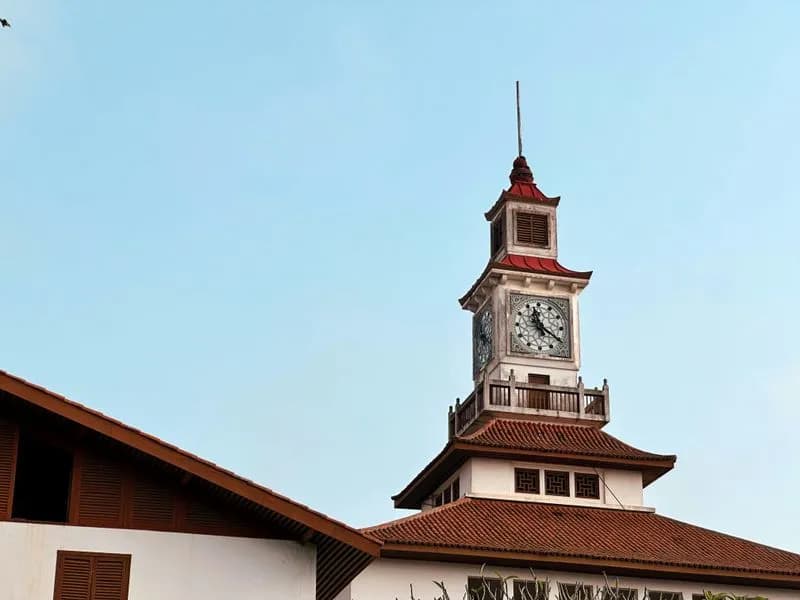
Overview
Accra pulses with energy and contemporary West African culture. The city sprawls along the Atlantic coast with neighborhoods of distinct character. The Central Business District is organized and modern. The Jamestown neighborhood maintains colonial architecture and fishing community character. Art galleries, street art, and cultural spaces reflect creative energy. Markets overflow with goods and energy. The city is less touristic than some African capitals, so interactions feel more genuine. Ghana's stability creates a sense of optimism. Accra rewards those willing to move beyond obvious attractions to engage with neighborhoods and people.
Best Time to Visit
December–February and July–August bring slightly drier weather, though Accra is humid year-round. November–March is cooler (75–85°F). April–October is hot and humid with rainy seasons. The city operates year-round. Book accommodations in advance during high season.
Neighborhoods to Know
Osu (Oxford Street): An upscale, bohemian neighborhood with galleries, cafés, shops, restaurants, nightlife. Safe and walkable with vibrant energy.
Jamestown: The historic fishing neighborhood with colonial architecture, narrow streets, authentic local character. Less touristy and more genuinely lived.
Downtown/Central Business District: Modern and organized. Functional but less atmospheric.
Labadi Beach: A beach neighborhood with water access, casual dining, recreation. More relaxed than downtown.
Kaneshie and local markets: Working neighborhoods with authentic markets, street life, local commerce. Less touristy but revealing.
Food & Drink
Ghanaian food culture emphasizes simple, flavorful cooking. Jollof rice, fufu, akari, groundnut soup, seafood from the Atlantic. Plantains in all forms. Ginger beer and palm wine. The food is hearty and communal.
Street Level: Street vendors and food stalls sell jollof rice, waakye, grilled fish, fresh juice. Markets offer prepared traditional dishes.
Mid-Range: Casual restaurants serve Ghanaian cooking in relaxed settings. Local spots offer authentic preparation. Cafés serve excellent coffee.
Elevated: Contemporary restaurants in Osu elevate Ghanaian ingredients into refined presentations. Expect technical precision and respect for heritage cooking.
Getting Around
Accra sprawls and is somewhat car-centric, though walkable within neighborhoods. Taxis and app-based rides are reliable and affordable. Public buses exist but are crowded and confusing. Walking is safe during daytime in main areas. Neighborhoods are organized and navigation is intuitive.
Insider Tips
- 1Osu is safe, vibrant, and where contemporary cultural energy happens. Walk, eat, drink, explore galleries. The city's energy concentrates here.
- 1Jamestown maintains authentic local character despite tourism growth. Walk the narrow streets, observe fishing culture, eat at local spots. It feels genuinely lived.
- 1Markets are essential to understanding Accra. Kaneshie Market, Central Market, others offer sensory immersion and authentic commerce.
- 1The beaches are worth visiting for both recreation and observing local life. Weekends especially show how Accra residents use the coastline.
- 1Ghana's stability and hospitality are genuine. Ghanaians are welcoming to visitors, and interactions feel more authentic than in more touristic destinations.
### The Velvano Touch
Accra is vibrant, authentic, and less filtered by tourism than many African capitals. We craft itineraries balancing safe neighborhoods like Osu with authentic areas like Jamestown, connecting you to contemporary culture through galleries and markets, engaging with people and communities.
---