Overview
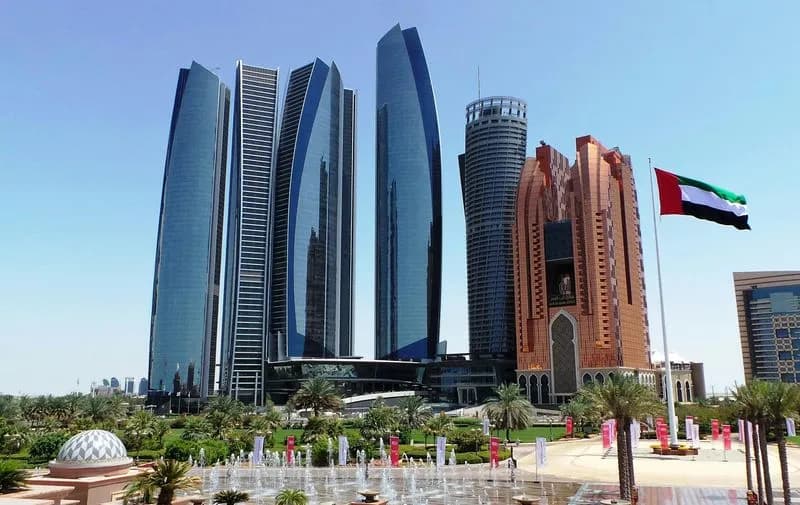
Abu Dhabi operates at the intersection of tradition and hypermodern development. The capital of the United Arab Emirates has invested heavily in museums, cultural centers, and architectural landmarks while maintaining connections to its Bedouin heritage and Islamic traditions. The Sheikh Zayed Grand Mosque is genuinely stunning—a contemporary mosque that honors Islamic aesthetics and welcomes visitors. The Louvre Abu Dhabi and other museums signal serious cultural engagement. The corniche offers waterfront recreation and public space. The city is expensive, highly organized, and somewhat sterile compared to older Middle Eastern cities, but reveals itself through careful exploration.
Best Time to Visit
November–March brings ideal weather—warm days (75–85°F), cool nights, minimal rain. April–May and September–October are warm but manageable. June–September is brutally hot (110°F+). Ramadan (dates shift yearly) means different rhythms. Book accommodations in advance during peak season.
Neighborhoods to Know
Downtown Abu Dhabi: The core with government buildings, the corniche, shopping, and cultural institutions. Modern and organized.
Al Bateen: A waterfront neighborhood with parks, walking paths, and a more relaxed vibe than downtown.
Saadiyat Island: Home to the Louvre Abu Dhabi, Sheikh Zayed Grand Mosque, and other cultural institutions.
Al Ain: A city 120 kilometers south, known as the "garden city," with oases and traditional markets. Worth a day trip.
Desert regions: Outside the city, desert landscapes and traditional Bedouin experiences accessible via tours.
Food & Drink
Emirati food culture emphasizes Arab traditions. Tabbouleh, hummus, falafel appear across Levantine tradition. Machboos (spiced rice with meat), harees (wheat and meat), khuubz (bread) are Emirati staples. Fresh seafood from the Gulf. Dates and Arabic coffee are cultural foundations.
Street Level: Food courts and casual vendors throughout the city serve shawarma, falafel, kebab. Markets offer fresh produce and prepared dishes.
Mid-Range: Casual Arabic restaurants serve traditional cooking. International restaurants abound. Cafés serve excellent coffee and pastries.
Elevated: Fine dining emphasizes both Emirati heritage cuisine and international options. Expect technical precision and service standards matching any major city.
Getting Around
Abu Dhabi is car-centric. Taxis and app-based rides are reliable and relatively affordable. Walking is pleasant along the corniche but distances are large. Renting a car is common for desert exploration. Navigation is intuitive with GPS.
Insider Tips
- 1The Sheikh Zayed Grand Mosque is worth visiting early morning when light is best and crowds minimal. Dress respectfully. Shoe removal is required.
- 1The Louvre Abu Dhabi is genuinely excellent. Book tickets in advance and arrive early or late afternoon.
- 1The corniche is where public Abu Dhabi life happens. Evening walks and park sitting reveal the city's social rhythms.
- 1Al Ain is worth an overnight trip. The oases and traditional markets offer contrast to Abu Dhabi's intensity.
- 1Respect Islamic culture and UAE protocols. Appropriate dress and genuine interest transform tourism into cultural engagement.
### The Velvano Touch
Abu Dhabi's investments in culture, architecture, and museums reveal genuine engagement with heritage and contemporary expression. We craft itineraries that balance modern landmarks with cultural institutions, desert experiences, and spaces where Emirati identity persists and evolves.
---